The Role of Evidence in Property Damage Investigations
When a property loss occurs, every insurance claim begins with a simple question: What happened?
The answer, however, is rarely as straightforward as it first appears.
Whether the incident involves fire, water damage, storm damage, theft, or accidental impact, establishing the facts can only be achieved through a thorough and detailed investigation. A comprehensive property damage investigation relies on objective evidence to determine the cause of the incident, assess the extent of the damage, and support a fair and well-informed claims assessment process.
In practice, the quality of the available evidence often has a direct impact on how efficiently a claim progresses.
Why Evidence Matters
Evidence forms the foundation of every property damage investigation. Its purpose is not to support one party over another, but to establish an accurate and impartial understanding of the events that occurred.
A structured, evidence-based investigation helps to:
- Establish the cause and sequence of events.
- Verify the extent of physical damage.
- Distinguish between pre-existing conditions and damage resulting from the insured event.
- Minimise disputes and unnecessary delays.
Without sufficient evidence, investigators may be forced to rely on assumptions, increasing the likelihood of prolonged investigations or conflicting interpretations.
Types of Evidence Used in Property Damage Investigations
Every claim is unique, and the type of evidence required will vary depending on the circumstances. In many cases, a combination of several sources provides the clearest picture of what occurred.
Photographs
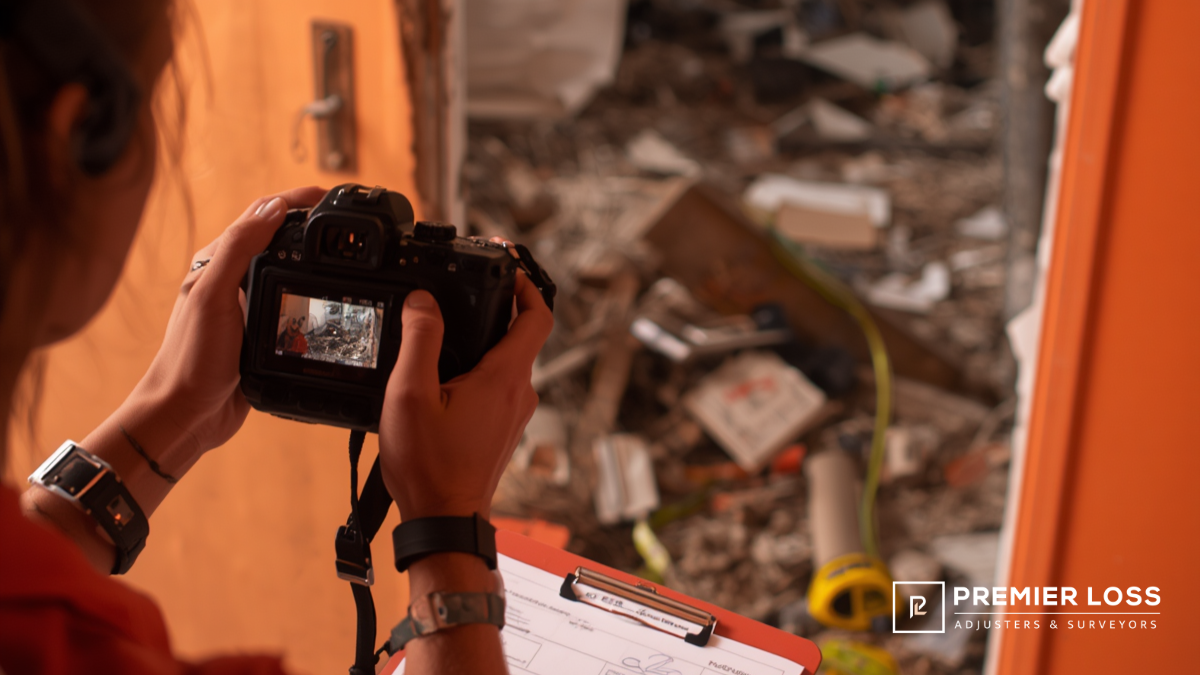
Photographs are often the first and most valuable source of information.
Images taken immediately after an incident can document the condition of the property before clean-up or emergency repairs begin. Wide-angle photographs provide context, while close-up images record specific damage to building components, equipment, or contents.
Time-stamped photographs taken from multiple angles can significantly assist later technical analysis.
CCTV and Security Systems
Commercial properties increasingly rely on CCTV systems, which can provide valuable insight into the sequence of events leading up to a loss.
Video footage may help establish:
- The time an incident occurred.
- The movement of people or vehicles.
- The progression of events before and after the damage occurred.
- Whether a theft took place and how access was gained.
- The identity, actions, or route taken by intruders where footage is clear enough to assist.
- Evidence of vandalism, including deliberate damage to doors, windows, fixtures, or equipment.
In theft and vandalism incidents, CCTV can be particularly important because it may confirm whether the loss was accidental, opportunistic, or deliberate.
Where available, footage should be preserved as early as possible to prevent automatic overwriting.
Real-World Example: How CCTV Strengthened a Theft Investigation
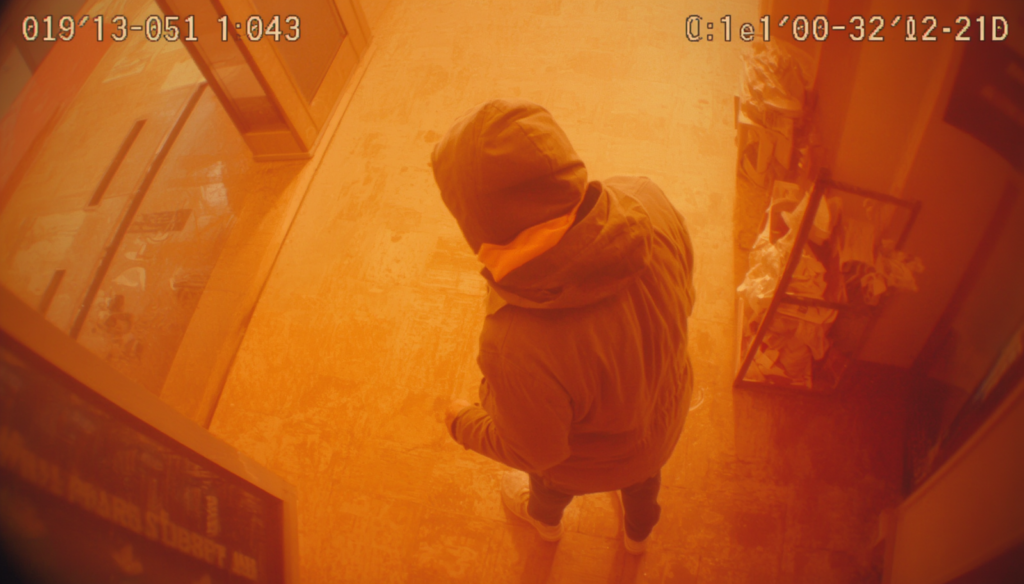
In a recent commercial theft investigation, the insured premises were equipped with a high-quality CCTV system covering both the interior and exterior of the property. The footage proved invaluable in reconstructing the incident.
We were able to identify how the perpetrator gained entry to the premises, trace their movements throughout the building, and observe how internal doors and locks were deliberately damaged to gain access to restricted areas. The recordings also documented the theft of cash and stock items before capturing the route taken to exit the property, which also provided additional supporting evidence regarding the stolen items claim.
The footage provided significant evidential value. It established a clear timeline of events, demonstrated the method of entry and the extent of the vandalism, verified the sequence of the theft, and supported both the insurance investigation and the enquiries carried out by the Police.
This case highlights the value of investing in a high-quality CCTV system. Even where a perpetrator cannot be immediately identified, clear recordings can provide critical evidence, helping investigators establish the facts surrounding a loss and enabling insurers and the Police to conduct a more informed and efficient investigation.
Witness Statements
Individuals who were present at the time of the incident may provide important factual observations.
Witness statements are most valuable when recorded promptly, while events remain fresh in memory. They should focus on objective observations rather than assumptions or opinions.When several independent accounts align, they can strengthen the overall understanding of the incident.
Maintenance and Inspection Records
Maintenance records provide valuable insight into the condition of a property or equipment.
They may demonstrate that:
- Equipment was maintained on a regular basis.
- The necessary safety inspections were carried out.
Conversely, incomplete or non-existent maintenance records may raise additional questions during the investigation.
Invoices and Financial Records
Repair invoices, purchase records, and replacement quotations assist in verifying ownership, establishing the value of damaged property, and assessing the financial impact of the loss.
For commercial claims, these documents may also support the evaluation of business interruption or additional operational costs resulting from the incident.
Engineering and Technical Reports
Complex losses frequently require specialist input.
Structural engineers, electrical engineers, mechanical experts, or fire investigators may provide technical opinions regarding the cause of damage, structural integrity, or the most appropriate method of repair. In earthquake-related losses, for example, they may also help distinguish between cracking caused by long-term settlement, age, or thermal movement and cracking that is more consistent with seismic activity.
These independent assessments help ensure that conclusions are supported by technical expertise rather than speculation.
Weather Data
For losses involving storms, flooding, wind, hail, or lightning, official weather records can provide valuable corroborating evidence.
Meteorological data may assist investigators in confirming:
- Weather conditions at the time of the incident.
- Wind speeds and rainfall intensity.
- The occurrence of lightning, thunder, or other severe weather events.
- Whether reported conditions are consistent with the observed damage.
Such information can be particularly useful when assessing widespread weather-related claims.
Preserving Evidence
One of the most common challenges following a property loss is the unintentional destruction of evidence during emergency response or clean-up activities.
While preventing further damage should always remain a priority, it is equally important to preserve key evidence wherever practical.
Businesses can assist the investigation by:
- Photographing the scene before moving damaged items.
- Retaining damaged components where safe to do so.
- Securing CCTV recordings immediately.
- Recording the names of individuals present.
- Keeping maintenance and repair documentation readily available.
- Documenting any temporary repairs carried out to protect the property.
Early preservation of evidence often enables investigations to proceed more efficiently and with greater confidence.
Common Mistakes That Can Complicate an Investigation
Even well-intentioned actions can make a claim more difficult to assess.
Some of the most common issues include:
- Disposing of damaged items before they can be inspected.
- Carrying out permanent repairs without adequate documentation.
- Delaying reporting the damage.
- Losing or overwriting CCTV footage.
- Incomplete maintenance records.
Avoiding these issues helps preserve the integrity of the investigation and supports a smoother claims process.
How Evidence Supports Fair Claim Decisions
The objective of any property damage investigation is not simply to determine whether damage occurred, but to establish the facts as accurately and impartially as possible.
Comprehensive evidence enables investigators to reconstruct the circumstances of the incident, assess the extent of the damage, and provide insurers with reliable technical information on which claim decisions can be based. When evidence is properly collected, preserved, and evaluated, the outcome is typically a more efficient investigation, greater transparency, and increased confidence for all parties involved.
Conclusion
Property damage investigations are built on facts, not assumptions.
Whether examining a fire, water damage, storm damage, theft, or machinery failure, the quality of the available evidence plays a crucial role in understanding what happened and supporting an informed claims assessment.
For businesses, maintaining good records and preserving evidence following an incident can significantly assist the investigation process. For independent loss adjusters, comprehensive evidence provides the foundation for consistent, objective, and well-supported claim assessments. Ultimately, evidence benefits everyone involved by helping ensure that claims are assessed fairly, efficiently, and on the basis of verifiable information.
How We Can Assist
At Premier Loss Adjusters & Surveyors, we understand the importance of clear, reliable evidence in every claim. Our role is to investigate the facts, assess the available information, and provide insurers and policyholders with objective technical support throughout the claims process.
If you would like to discuss a property damage matter or explore how we may be able to assist, please get in touch.